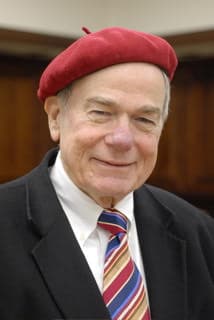
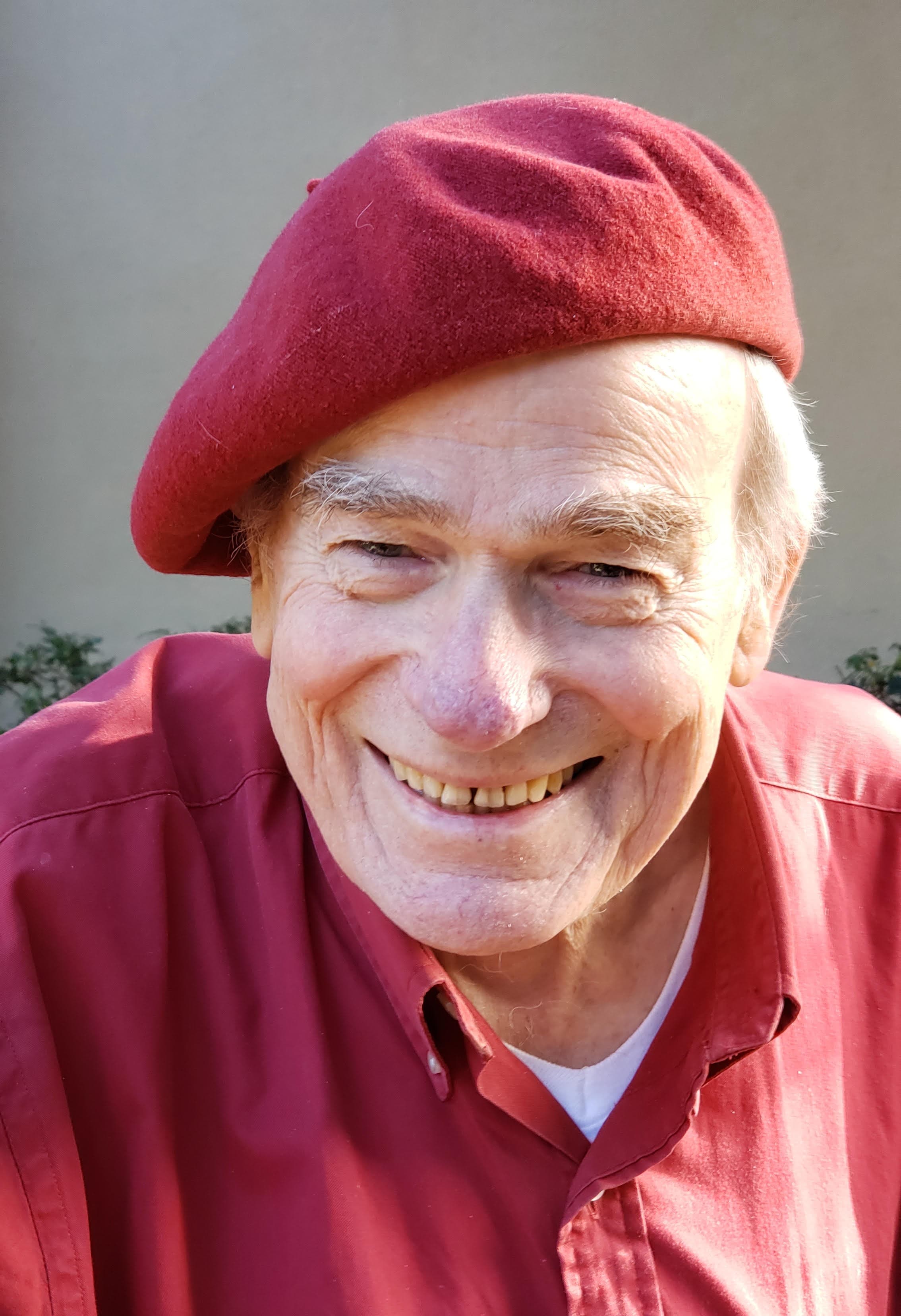
William A. Goddard III
Charles and Mary Ferkel Professor of Chemistry, Materials Science, and Applied Physics
Director, Materials and Process Simulation Center
California Institute of Technology
1.8K
Publications
148.6K
Citations
209
h-index
1,541
i10-index
1964
Joined Caltech
Research Vision
The research conducted by the Goddard and MSC teams has consistently focused on developing methods that are:
- Sufficiently accurate — Aimed at minimizing the need for experimental validation, restricting it only to the most promising systems predicted by the methods.
- Sufficiently efficient — Designed for application to realistic models of systems containing millions of atoms, a field now referred to as materials genomics.
Key Developments
Improving accuracy for van der Waals interactions and band gaps
Generalized Valence Bond for chemical bonding principles
Generic force field for nonmetallic systems
Universal Force Field for the entire periodic table
QM-accurate large-scale chemical reactions with millions of atoms
Next-generation reactive force field
Hierarchical approaches coupling electronic states of QM with molecular dynamics of macroscale reactive systems, enabling first-principles accuracy for realistic systems handling millions of atoms and nanosecond time scales.
Featured Publication
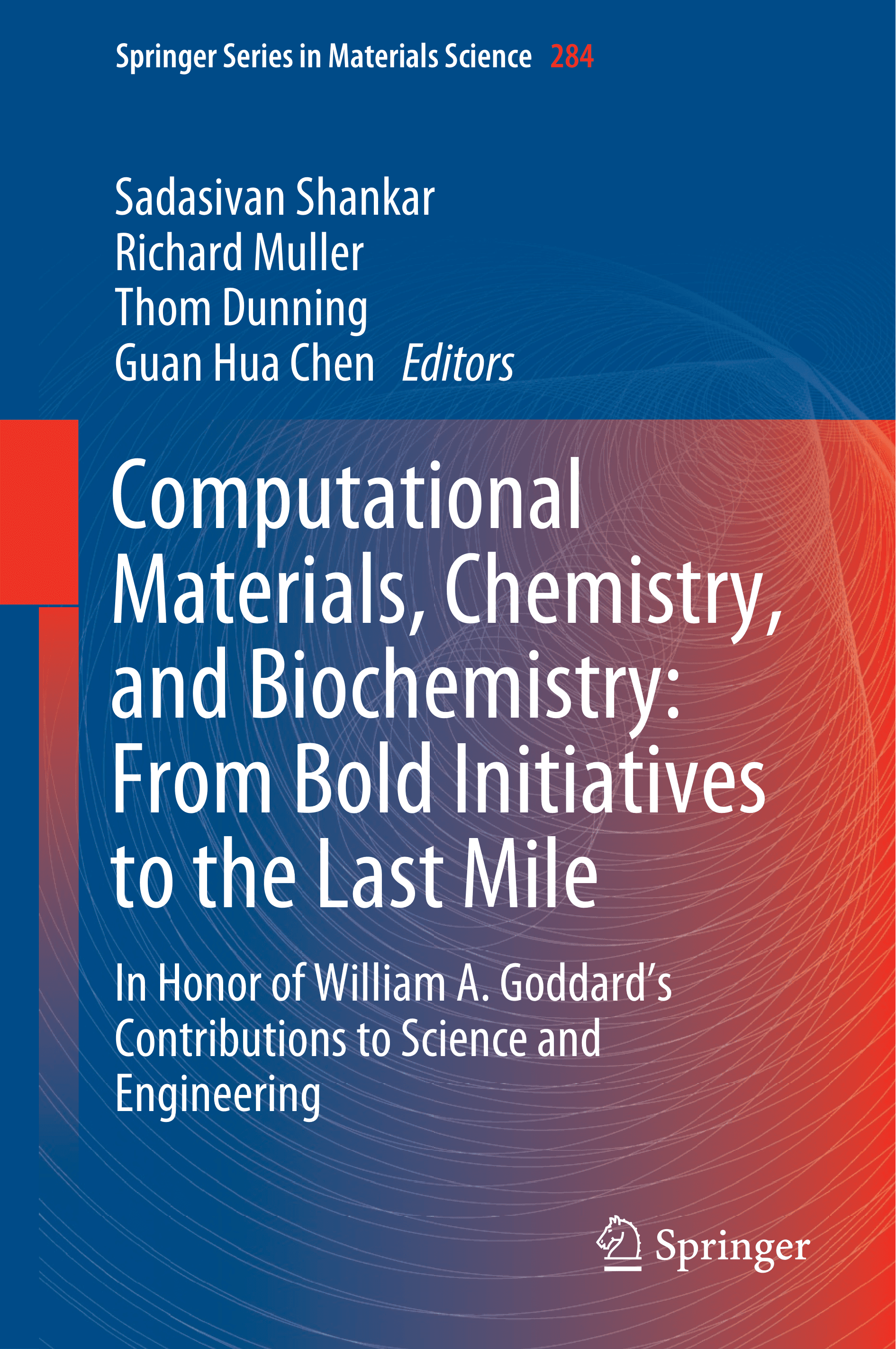
Computational Materials, Chemistry, and Biochemistry: From Bold Initiatives to the Last Mile
Published 2021 • Downloaded over 108,000 times
Based on talks at symposia honoring William A. Goddard's contributions to science and engineering. This volume includes approximately 40 chapters contributed by current and former collaborators, graduate students, and postdocs, along with 29 chapters written by Goddard covering:
View Table of Contents (69 Chapters)
Chapters 1–4: Tributes • Chapters 5–40: Contributed by collaborators • Chapters 41–69: Written by W. A. Goddard III
Part I: Methods
- •Beyond Molecular Orbital Theory (GVB)
- •ReaxFF for Biological Systems
- •Machine Learning for DFT
- •Accelerated MD Methods
Part II: Materials & Nano
- •Nanoelectronics
- •Dendrimers
- •Thermal Transport
- •DNA-Guided CNT Assembly
Part III: Chemistry
- •HER Catalysts
- •Selective Oxidation
- •CO₂ Conversion
- •C–H Activation
Part IV: Biology
- •Biomarkers for Cerebrovascular
- •Olfactory Receptors
- •F1-ATPase Motor
- •Dendritic Imaging
Part V: Methods (WAG)
- •GVB Bonding & Reactions
- •Ab Initio Pseudopotentials
- •Force Fields & MD
- •ReaxFF, RexPoN
Part VI: Materials (WAG)
- •Surface Science
- •Nanotechnology
- •Metals & Ceramics
- •Solar Cells & Batteries
Part VII: Catalysis (WAG)
- •Homogeneous Catalysis
- •Heterogeneous Catalysis
- •Fuel Cells Electrocatalysis
- •CO₂ Reduction
Part VIII: Biology (WAG)
- •Polymers & Dendrimers
- •GPCR Structure Prediction
- •Protein & Ligand Binding
- •DNA & RNA